

For years, we’ve been forcing customers to jump through hoops. We built brilliant, engaging content, only to end it with the weakest call-to-action in digital marketing history: "Click the link in my bio." It was a clunky, high-friction nightmare that bled conversions at every click.
In 2026, that era is officially over. Meta has completely re-architected Instagram from a photo-sharing app into an infinite, AI-driven digital storefront, all to counter the explosive rise of TikTok Shop.
If you are still relying on a static profile link to drive sales, you are actively losing money. Here is exactly what just changed, and how the smartest CPG brands are adjusting their playbooks.
"Link-in-Bio" is Dead (And Good Riddance)
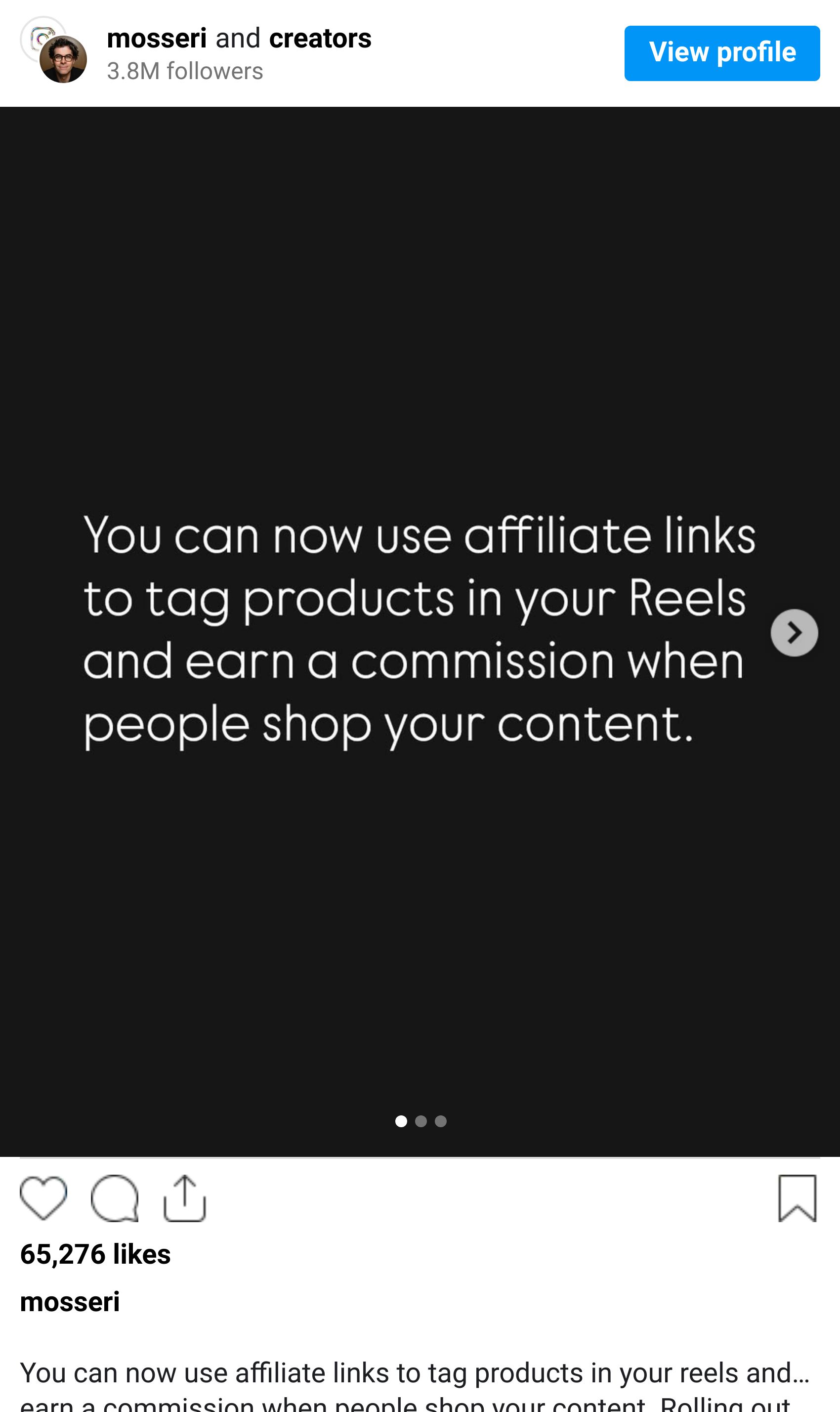
The biggest shift in consumer behavior this year is the absolute removal of transactional friction. Meta’s new infrastructure allows you to tag up to 30 products directly from your catalog into a single Reel.
But here is the real kicker: users don't leave the app anymore.
Thanks to a unified in-app checkout flow and massive strategic partnerships with Amazon and eBay, a user can watch a Reel, tap a product, and buy it using saved credentials in seconds.
Meta even redesigned the entire app interface around this behavior. They moved the sacred "Create (+)" button to the top left corner, replacing the bottom navigation bar with Reels and Direct Messages (DMs). The message is clear: Instagram is no longer about you posting photos of your lunch. It’s a hyper-optimized engine for consuming video and closing sales.
TikTok Shop vs. Instagram: The $26 Billion Divide
If you are building an omnichannel brand, you need to understand the fundamental split happening between the two major platforms right now:
TikTok Shop is the viral impulse machine. It thrives on Gen Z, "lo-fi" content, and massive, unpredictable viral spikes. It is incredible for rapid awareness, but the average order value (AOV) is low, and the aesthetic is anti-polished.
Instagram is the high-AOV, full-funnel ecosystem. Instagram audiences still willingly pay the "Aesthetic Tax." They want a more polished look, which correlates directly with higher-value transactions. In categories like Fashion and Beauty, brands are seeing a much steadier, predictable e-commerce ROI on Reels compared to the rollercoaster of TikTok.
Stop Tracking Vanity Metrics (Do This Instead)
"Likes" are officially a vanity metric. If your social media manager is still reporting on them, they are looking at the wrong dashboard.
The smartest operators in 2026 are optimizing for exactly two things:
1. The "Share-to-DM" Ratio Adam Mosseri basically handed us the algorithm playbook: the system prioritizes content that sparks private conversations. The ultimate signal of high-intent discovery is when a user sends your Reel to a friend in a DM. Furthermore, Meta’s new interface pushes DMs as the primary conversion bridge. Automated comment-to-DM workflows are where the actual sales are closed.
2. The 25% Hook Rate Benchmark Scroll fatigue is real. Consumers are blind to traditional ads. To break through, you have to nail the "Results Hook"—leading with the outcome of a product rather than the product itself. The benchmark for survival in 2026? A 3-second hook rate above 25%. If a quarter of your audience isn't staying past the first three seconds, the algorithm will bury the video.
The Bottom Line
The convergence of entertainment and commerce is complete. Short-form video is now the primary method for product research, discovery, and transaction.
The buyers are there. The infrastructure is built. The only question is whether your brand is treating Reels as an annoying side-project for the marketing intern, or as the primary vehicle for your entire retail operation.
Build accordingly.

